
Key takeaways
1. Most garage door problems come from blocked sensors, remote issues, worn rollers, loose hardware or a lack of lubrication.
2. Many of these can be fixed yourself, but broken springs and cables are under high tension and dangerous to repair.
3. Anchor Doors & Service repairs garage door springs, cables, sensors and openers across Windsor-Essex and Chatham-Kent.
1. The Garage Door Won’t Open or Close
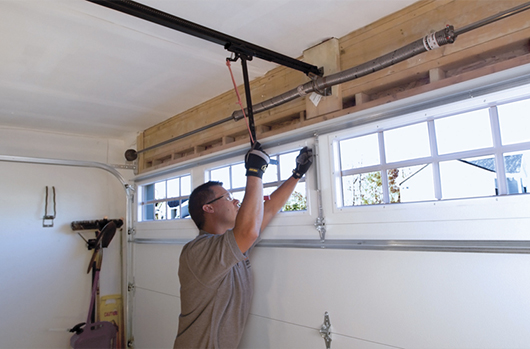
This is perhaps the most frustrating issue a homeowner can encounter. There are several reasons why your garage door might refuse to cooperate. If you’re experiencing a power outage, your garage door opener won’t be functioning. If you need to close or open your garage without power, you can manually open and close your door using the emergency release cord.
A damaged or improperly programmed remote control can prevent your garage door from responding to commands. Try reprogramming the remote or replacing the batteries.
Sensor Alignment can stop a door from working. Garage door sensors are crucial for safety and if they’re misaligned, the door won’t operate. Check the sensors for obstructions and ensure they’re aligned correctly.
Components like torsion springs or cables are under immense tension and can wear out over time. If you suspect a broken spring or cable, it’s best to call a garage door repair professional, as these repairs can be dangerous.
2. The Garage Door Makes Unusual Noises
A noisy garage door is often a sign of underlying problems. Worn or damaged rollers can cause squeaking or grinding noises. Replacing them can significantly reduce noise levels.
Over time, hardware like hinges and brackets can loosen, leading to rattling sounds. Tightening loose hardware can often resolve the issue.
Misaligned tracks can cause the door to rub against the frame, producing screeching noises. Adjusting the tracks or replacing damaged sections can help.
3. The Garage Door Opens or Closes Slowly
A slow-moving garage door can be inconvenient and may indicate a problem with the opener or the door itself.
A weak or failing motor can slow down the door’s operation. Replacing the motor can restore normal speed.
Misaligned or dirty sensors can cause the door to pause or reverse, leading to slow operation. Cleaning the sensors and ensuring proper alignment can improve performance.
Lack of lubrication can cause friction and slow down the door. Regularly lubricating moving parts like rollers, hinges, and the track can help maintain smooth operation.


Your Trusted Door Experts for Over 20 Years
Garage, entry & dock door sales, service, and 24-hour emergency repair.
4. The Garage Door Reverses Unexpectedly
A garage door that reverses unexpectedly can be a real safety hazard as well as an annoyance. In most cases, this is down to a problem with the safety sensors.
Objects blocking the sensors can trigger a reverse cycle. Clear the area around the sensors to prevent this.
Damaged or malfunctioning sensors can cause the door to reverse without reason. Replacing faulty sensors is essential.
The sensitivity of the safety sensors may need adjustment. Consult your owner’s manual or a professional for guidance on adjusting the sensitivity.
5. The Garage Door Vibrates or Shakes
Vibration and shaking can be caused by various factors. An unbalanced door can cause excessive vibration. Adjusting the spring tension or adding weight to the lighter side can help balance the door.
Worn or damaged hardware such as hinges, rollers, or tracks can contribute to vibration. Tightening or replacing faulty components can resolve the issue.
In some cases, foundation problems can cause the garage door to vibrate. Consult a foundation repair specialist for assessment and repair.
DIY Garage Door Maintenance Tips
While some garage door repairs require professional expertise, there are several maintenance tasks you can perform yourself to keep your door functioning smoothly:
- Regular Lubrication: Lubricate all moving parts, including rollers, hinges, and the track, with a silicone-based lubricant.
- Inspect the Springs and Cables: Visually inspect the springs and cables for signs of wear, damage, or rust. If you notice any issues, contact a garage door technician.
- Clean the Sensors: Keep the sensors clean and free of debris to ensure proper operation.
- Test the Safety Reverse System: Regularly test the safety reverse system to ensure it’s working correctly.
- Check the Weatherstripping: Replace worn or damaged weatherstripping to improve energy efficiency and prevent drafts.
Winter Garage Door Problems in Southwestern Ontario
Windsor-Essex and Chatham-Kent winters are hard on garage doors. Freeze-thaw cycles, lake-effect snow and road salt all show up as problems once the temperature drops.
The Door Is Frozen to the Floor
Meltwater from your car can pool under the door and freeze the bottom seal to the concrete. If you run the opener anyway, you can tear the seal, strain the motor or strip the opener’s gears.
Free the seal first with a hairdryer or a plastic scraper, never a metal shovel. Then clear snow and ice from the threshold and wipe the seal dry before the next cold night.
The Door Moves Slowly or Reverses
Grease on the rollers, hinges and track thickens in the cold. The opener then works harder, and that extra resistance can make the door stop or reverse partway down.
Switch to a lubricant rated for low temperatures and apply it before the first hard freeze. If the door still reverses, check the sensors, since frost, snow and salt spray can block the beam.
Springs Break More Often in the Cold
Cold makes spring steel more brittle, which is why broken spring calls rise every winter. A spring near the end of its life will usually fail on a cold morning.
If you hear a loud bang or the door suddenly feels heavy, stop using it and call a technician.
Remotes and Keypads Stop Responding
Batteries lose power in the cold, and the remote in your car is the first to go. Replace the batteries before winter and keep a spare set in the house.
How to Use the Emergency Release Cord Safely
Every automatic opener has an emergency release, usually a red cord hanging from the trolley on the opener rail. Pulling it disconnects the door from the opener so you can move it by hand during a power outage or opener failure.
Before You Pull It
Try to pull the cord only when the door is fully closed. If the door is open and a spring is broken, releasing it can send the full weight of the door crashing down.
Make sure no one is standing under the door and nothing is parked beneath it.
Opening the Door by Hand
Pull the cord straight down to disengage the trolley. Then lift the door using the inside handles, not by pushing on the panels, where fingers can get caught in the section joints.
A balanced door should lift smoothly and stay in place when you let go halfway up. If it feels very heavy or drops when you let go, the springs are the problem, so lower the door carefully and call a technician.
Securing the Door
Once the release is pulled, the opener no longer holds the door shut. Use the manual slide lock on the door, or keep it closed, until the opener is reconnected.
Reconnecting the Opener
On most openers, you can pull the cord toward the door to reset the trolley and then run the opener. The trolley will lock back onto the carriage as it travels along the rail.
If it doesn’t reconnect, check your owner’s manual, since the method varies by brand. If it still won’t engage, the opener may need service.
Windsor-Essex garage door repairs, sorted by Anchor Doors & Service
Most garage door trouble traces back to a blocked sensor, a dead remote battery, dry rollers or loose hinges, and you can clear those in an afternoon. Anything involving the torsion springs, the lift cables or a door that won’t stay balanced belongs with a technician, because that stored tension can injure you.
We start with the smallest fix that works. That might mean realigning photo eyes, swapping worn rollers or replacing a snapped spring or a tired opener motor, and we recommend a new door only when the sections themselves are failing. Our 24-hour emergency dispatch covers Windsor-Essex and Chatham-Kent, so a door stuck shut at night doesn’t have to wait until morning.
What You Should Do Next
- Get a repair visit. Contact Anchor Doors & Service if you find a broken spring, frayed cables, or a door that keeps reversing or shaking after these checks, and we’ll get it running safely again.
- Check the springs and cables. With the door closed, look above the opening for a visible gap in the torsion spring coil or for frayed or rusted cable strands near the bottom brackets.
- Lubricate and listen. This week, lubricate the rollers, hinges and track, then listen over the next few cycles for grinding or rattling that doesn’t fade.