

Key Takeaways
1. The signs of a garage door balance problem include the door feeling heavier, looking uneven, dropping too fast, or sounding rough during movement.
2. A simple balance test can help you spot the issue, but adjusting torsion springs without the right tools or experience can quickly become dangerous.
3. If your garage door is not staying balanced, Anchor Doors & Service Inc. can provide trained, professional service to homeowners and businesses across southwestern Ontario.
Top Garage Door Balance Problems that Need Immediate Attention
Garage door balance problems usually show up in small ways before they become bigger issues. The door may start to feel heavier, move unevenly, or sound rougher than usual.
A balanced garage door should feel steady and controlled, so when that changes, it is usually a sign that something in the system needs attention.
1. The Door Drops Quickly When Lifted Manually
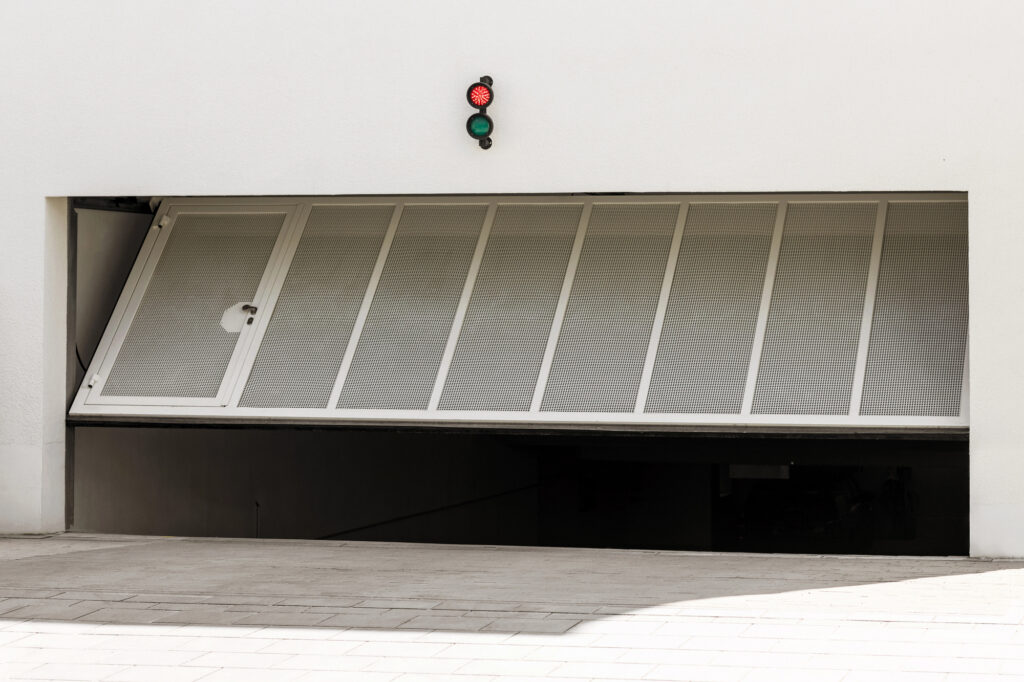
If the door comes racing down when you lift it by hand, that is a strong sign the balance is off. A lot of people notice this during a quick balance test, especially if they stop the door partway up, and it will not stay put. Instead of holding its position, it drops fast and feels harder to control.
This usually points to a spring tension issue, so it is best to have the springs checked by a professional. If the springs are worn out, replacement may make more sense than another adjustment.
2. The Door Feels Unusually Heavy
A garage door should not feel like you are lifting dead weight. If it suddenly feels much heavier than it used to, the springs may not be supporting the door the way they should. That extra weight does not just make the door harder to lift. It can also put stress on the rest of the system.
Stop forcing the door and have the balance checked. An unusually heavy door is a sign that something is off, and catching it early can help prevent bigger repairs later.
3. The Garage Door Opener Sounds Strained
Sometimes the first clue is not what you see, but what you hear. If the opener sounds louder than normal, seems to struggle, or looks like it is working too hard, poor door balance could be the reason. When the springs are not doing their part, the opener has to work harder to move the door.
Have the door balance tested before the opener wears out. Fixing the balance problem early can help protect the opener.
4. The Door Looks Uneven
If one side of the door looks lower than the other, or the door seems crooked when it moves, that is not something to brush off. An uneven garage door issue can be tied to balance problems, spring issues, or cable problems. Even if the door still opens, it is a sign that the system is no longer working evenly.
Avoid running the door over and over to see if it “fixes itself.” It is better to have the door, cables, and spring system inspected so the actual cause can be handled safely.
5. The Door Will Not Stay in Place at Mid-Height
A properly balanced garage door should stay fairly steady when you stop it halfway. If you lift it to around 3, 5, or 7 feet and it starts drifting down or pulling itself upward, that usually means the balance is off.
Schedule a balance check. This kind of issue usually means the spring tension needs to be corrected, and that is not the kind of thing you want to guess at.
6. The Door Moves Differently Than It Used To
Sometimes the changes are subtle at first. The door may start moving in a jerky way, closing harder than normal, or sounding rough during travel. It may still work, but it no longer feels smooth or predictable. That kind of change often shows up before the problem gets worse.
Take those small changes seriously. A service check can now help you catch the issue before it becomes a more expensive repair or a safety problem.
Common Garage Door Problems and How to Fix Them
How to Test Garage Door Balance
If you think your garage door may be out of balance, there is a simple way to check it. This test can give you a useful first look, but it is important to go into it carefully. You are checking the door’s behavior, not taking apart the spring system or making adjustments.
Step 1: Disconnect the Opener
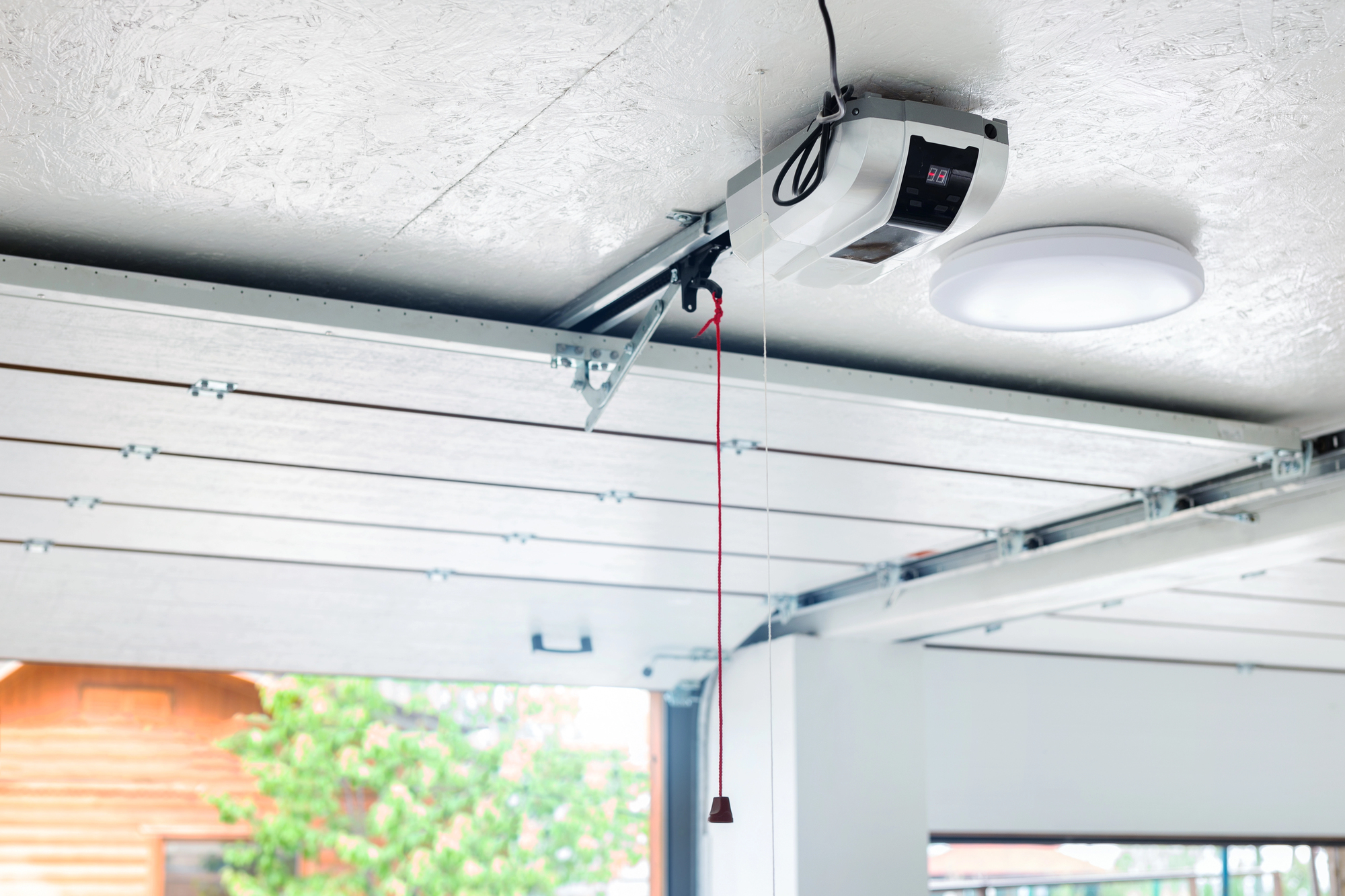
Start by pulling the emergency release cord to disconnect the garage door from the opener. This lets you test the door’s actual balance, rather than relying on the motor to move it.
Most people recognize this as the red cord hanging from the opener rail. Once the opener is released, the door should be able to move by hand.
- Make sure the garage door is fully closed before you begin
- Pull the emergency release cord carefully
- Confirm that the opener is no longer engaged
- Stand in a stable position before lifting the door
Step 2: Lift the Door by Hand
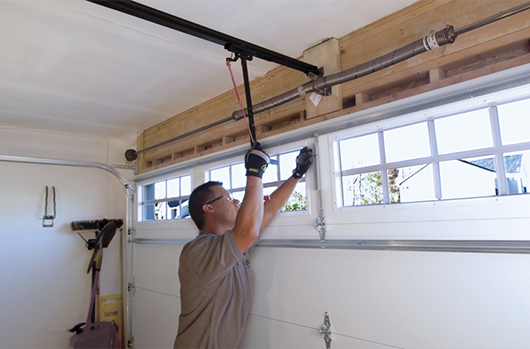
Once the opener is disconnected, raise the door slowly by hand. Do not yank it up or let it move too fast. You want to feel how much effort it takes and whether the door seems controlled or unusually heavy.
Here’s a simple way to do it:
- Lift the door slowly and with both hands if needed
- Pay attention to whether it feels heavier than usual
- Notice if one side seems to move differently from the other
- Stop at a few points instead of opening it all at once
Step 3: Check How It Behaves at Different Heights
A good way to test balance is to stop the door at a few different points and see whether it stays put. In the script, the door was checked at 3, 5, and 7 feet. That gives you a better sense of whether the balance problem is occurring throughout the door’s full travel or only at certain points.
If the door is balanced fairly well, it should stay close to where you leave it. It may move a little, but it should not suddenly take off in either direction.
- Stop the door at around 3 feet and see if it stays in place
- Raise it to around 5 feet and check again
- Test it once more at around 7 feet
- Watch how the door responds each time you let go carefully
Step 4: Watch for Dropping, Racing, or Drifting
This is the part that tells you the most. If the door drops quickly, races downward, or feels like it wants to pull away from you, the balance is likely off. If it drifts upward on its own, that can also mean the spring tension is not set correctly.
A few common reactions usually point to a problem:
- Drops fast. The springs may not be giving the door enough support
- Feels very heavy. The balance is likely off, and the springs may be worn
- Drifts upward. The tension may be too high
- Moves unevenly. There could be a balance issue along with cable or spring trouble
The key thing is that the door should feel controlled. If it does something sudden, that is usually your sign to stop there and not push further.
| Important Safety Note: Testing the garage door balance is one thing. Adjusting spring tension is something else entirely. That is where the risk goes up fast. Torsion springs hold a lot of force, and mistakes during adjustment can cause serious injury or damage. |
When to Stop Garage Door Balance Test and Call a Professional Right Away?
Some balance issues are not worth pushing through. Stop and call a professional if you notice any of these warning signs:
- The door drops fast when lifted by hand
- The door looks crooked or uneven during movement
- The opener sounds strained or rougher than usual
- You suspect spring damage, such as a loud snap or a sudden change in door weight
- You are thinking about adjusting torsion springs yourself without the right tools or experience
If any of these signs show up, it is safer to stop there and get help. Anchor Doors & Service Inc. provides trained, certified garage door service for homeowners and businesses across southwestern Ontario, with same-day help available.
Maintain Proper Garage Door Balance With Our Help
Garage door balance problems are easy to ignore when the door still opens and closes, but they usually do not stay small for long. What starts as a door that feels a little heavier or sounds a little rougher can turn into strain on the opener, extra wear on the system, or a real safety issue if the door becomes hard to control.
Here’s what you should be doing next:
- Notice the warning signs. Pay attention to changes like a heavy door, uneven movement, drifting at mid-height, or a strained opener.
- Test the balance carefully. Use the manual balance test to get a better sense of what the door is doing, but stop if it drops fast or feels unsafe.
- Call Anchor Doors when it is time for real repair. If the door looks unsafe, feels out of control, or keeps acting differently than it should, contact Anchor Doors & Service Inc. for professional garage door service and repair.
Need help with a garage door that no longer feels right? Contact Anchor Doors & Service Inc. and have it checked before the problem gets worse.